

Coaching – What, Why, How
Coaching – What, Why, How presents coaching as a way of being rather than a technique, grounded in presence, listening, and trust in human potential. Development emerges not through advice or pressure, but through questions that create awareness and responsibility. When leaders learn to hold space instead of giving answers, conversation itself becomes a catalyst for growth.

The Power of Stillness
The Power of Stillness explores how long-term meditation reshapes the brain and transforms momentary calm into lasting inner stability. The book distinguishes temporary states from enduring traits, showing that presence, emotional balance, and clarity develop through sustained practice. Stillness emerges not as passivity, but as a quiet strength that supports wiser leadership and more conscious action.

What Happens Now to the Future?
What Happens Now to the Future? frames the pandemic as a turning point rather than a pause. Through twenty visions, the book invites readers to rethink work, consumption, sustainability, and social responsibility. The future emerges not as a prediction, but as something we actively shape together through reflection and choice.

Relaxing Into Clear Seeing
Relaxing Into Clear Seeing invites the reader to discover clarity not through effort, but through deep relaxation into what is already present. By gently questioning beliefs and projections, awareness begins to reveal itself in everyday life. The book shows that true insight emerges when striving gives way to openness and presence.

How Modern Organizations Function
How Modern Organizations Function reveals organizations as complex social systems rather than predictable machines. By integrating structure, culture, power, and human behavior, the book shows why leadership requires interpretation and contextual awareness. Sustainable results emerge when leaders understand and work with the whole, not just the formal system.

Team Development in Theory and Practice
Team Development in Theory and Practice shows that effective teams are built through conscious, long-term work rather than motivation or personality. By combining research with practical insight, Christian Jacobsson explains how trust, clarity, and constructive conflict shape group performance. Team success emerges when leaders and members take shared responsibility for both relationships and results.
Psychological Safety Creates Results and Profitability
Psychological Safety Creates Results and Profitability shows that performance and innovation grow where people feel safe to speak, question, and learn. Louise Bringselius demonstrates how trust, dialogue, and shared responsibility form the foundation of courageous workplaces. Psychological safety emerges not from avoiding conflict, but from creating a climate where human dignity and accountability coexist.

Management – Organizational and Leadership Analysis
Management – Organizational and Leadership Analysis reveals organizations as complex social systems rather than controllable machines. By integrating structural, cultural, and political perspectives, Blomberg shows why leadership requires interpretation, reflection, and contextual understanding. Effective leadership, the book argues, emerges from trust and meaning-making rather than control alone.

The Inner Voyage of a Stranger
The Inner Voyage of a Stranger describes an inner journey from fragmentation to awareness, where clarity replaces struggle. Through presence, perception, and action without resistance, Yoshigasaki shows how life begins to flow naturally. The book invites us to stop controlling life and instead participate consciously in its unfolding.

Reinventing Organizations
Reinventing Organizations shows how organizations evolve alongside human consciousness, and how new forms of leadership emerge from that shift. By replacing control with trust, hierarchy with self-management, and performance alone with purpose and wholeness, organizations unlock deeper engagement and resilience. The book invites leaders to create conditions where people and systems can grow organically toward what wants to emerge next.

Loving What Is – Four Questions That Can Change Your Life
Loving What Is shows that suffering is created not by reality, but by unquestioned thoughts about reality. Through four simple questions, Byron Katie opens a space where clarity, acceptance, and inner freedom can emerge. When resistance falls away, presence becomes the foundation for conscious action and real change.
The Book of Five Rings – The Path to Mastery and Presence in Action
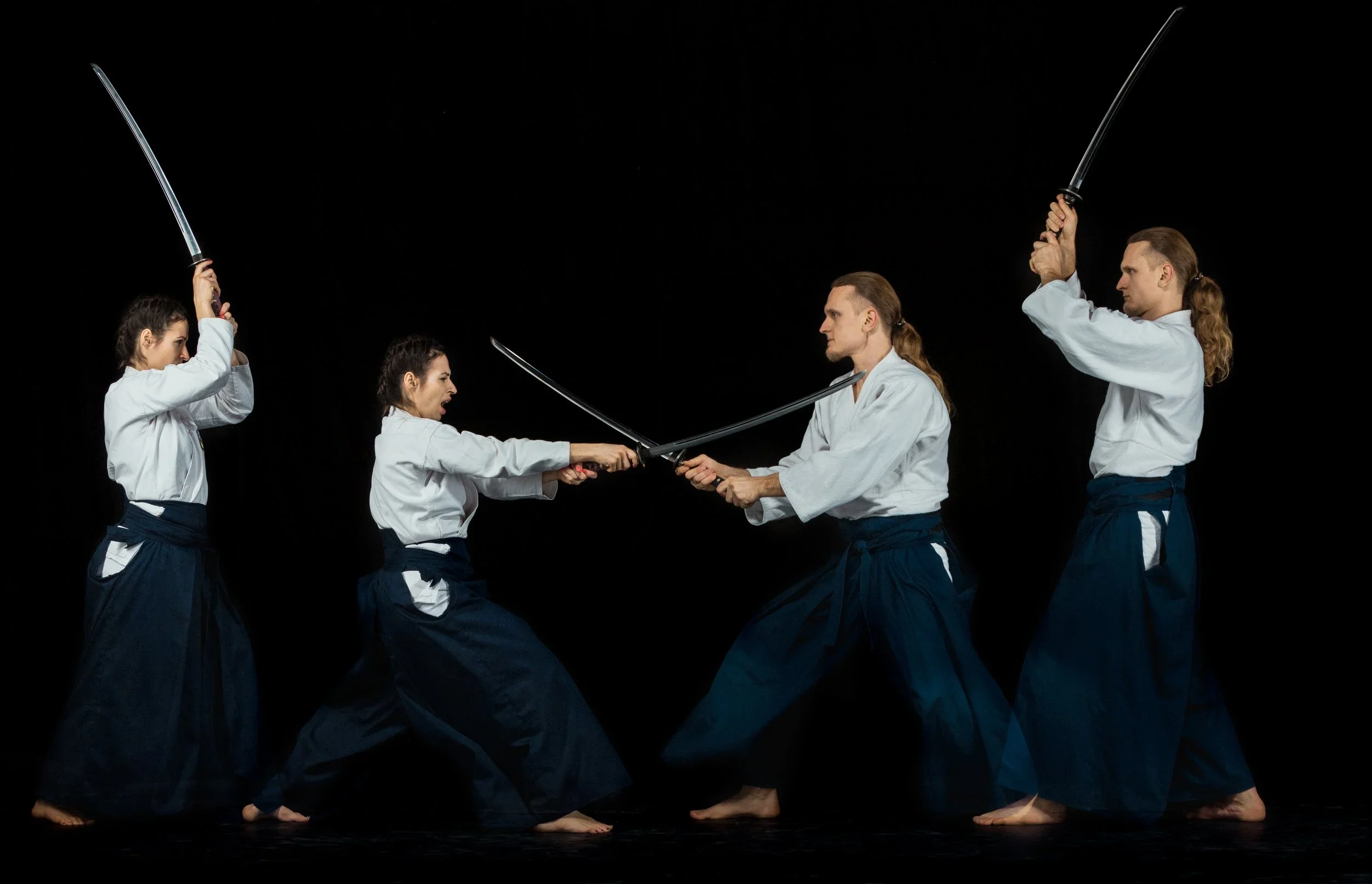
The Book of Five Rings reveals mastery as the union of awareness and action rather than the result of force or struggle. Through the five elements, Musashi shows how clarity, adaptability, courage, openness, and stillness together create natural effectiveness. Leadership, in this sense, becomes a quiet strength rooted in presence and balance.

The Golden Zone – Leading in the In-Between Spaces
The Golden Zone shows that real value in organizations is created in the spaces between roles, systems, and responsibilities. By leading with trust, dialogue, and clarity across boundaries, leaders can turn friction into collaboration. Leadership in the in-between spaces transforms borders into meeting points where learning and results grow together.

Radical Brilliance
Radical Brilliance shows that transformative ideas arise not from effort or control, but from alignment with presence and purpose. By moving consciously between inspiration, action, rest, and reflection, individuals and organizations create the conditions for genuine creativity. Brilliance, in this sense, becomes an act of service rather than a pursuit of ego or performance.

Successful Leadership with Systems Theory
Leadership through a systems perspective means seeing organizations as living wholes rather than collections of parts. By understanding patterns, relationships, and feedback loops, leaders can create movement and change without increasing pressure. True leadership emerges from presence and awareness, working with the system instead of trying to control it.

Toyota Kata – Leading People for Learning, Adaptation, and Results
Toyota Kata shows that sustainable results come from training everyday behaviors, not from implementing tools or programs. By practicing improvement and coaching as daily habits, organizations build learning, adaptability, and resilience over time. Leadership becomes less about control and more about guiding people to think, experiment, and learn together.
Bushido – The Soul of Japan
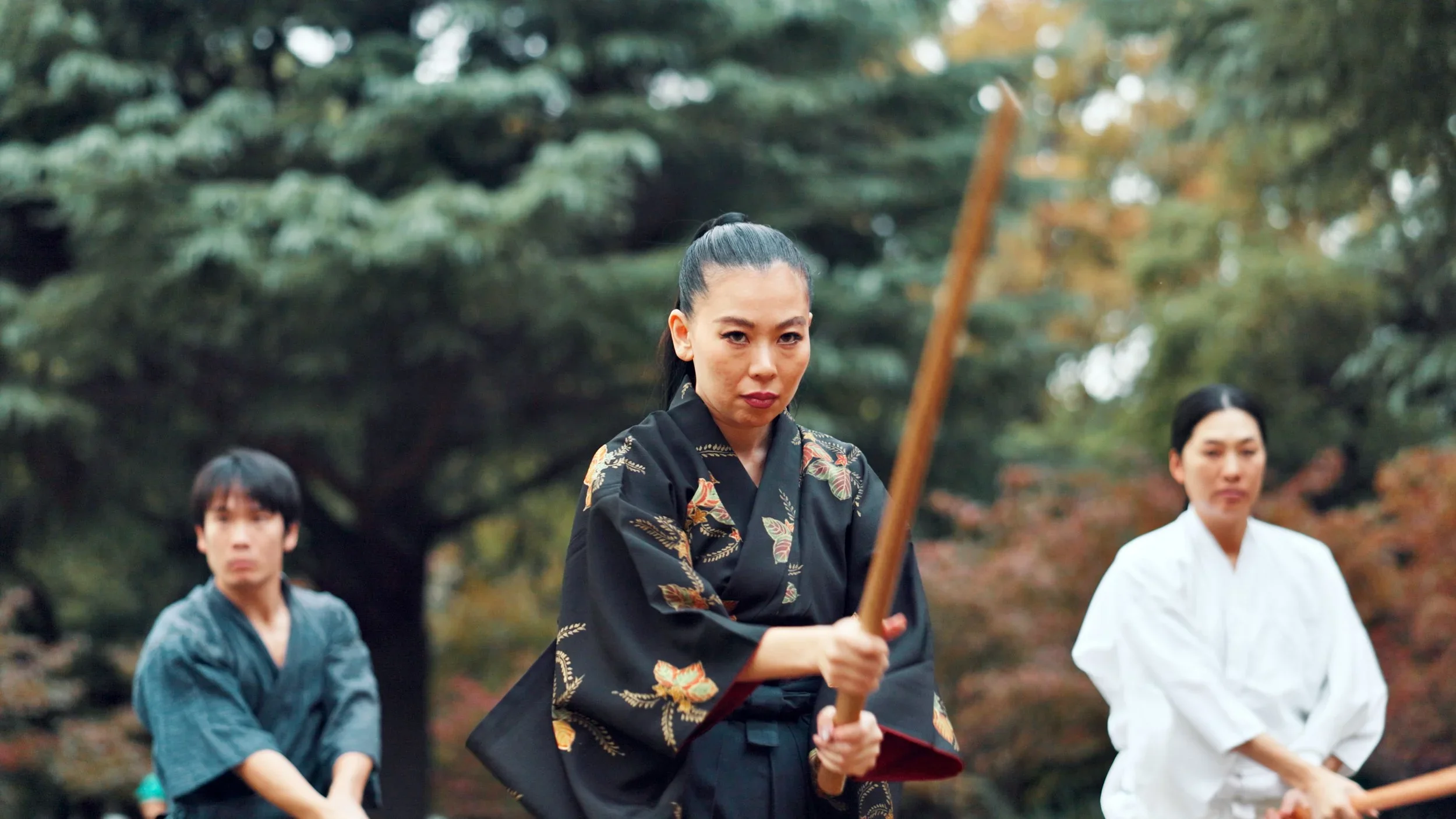
Bushido presents leadership as an inner path, where character, integrity, and moral courage form the true foundation of authority. Through virtues such as righteousness, compassion, and honor, Nitobe shows that sustainable results grow from who we are, not from control or position. Leadership, in this sense, becomes a moral practice, leading with strength and heart, even when it comes at a cost.

What drives you? Pleasure or pain?
We are often driven by either pleasure or pain, wanting to or having to. What is rewarded or punished, within ourselves and in our organizations, quickly shapes our behavior and our relationship to development. The question is therefore not whether we are influenced, but what actually drives us, in everyday life, in leadership, and in life itself.

Leadership is an existential mission
Leadership is often described through goals, strategies, and results. Yet in everyday practice, leadership is something deeper. It is an ongoing encounter with ourselves, our reactions, and the existential questions that arise in meetings, decisions, and change.
To lead others is to be affected. What happens around us shapes what happens within us, and how we understand and handle that inner movement largely determines the quality of our leadership. In the interplay between the inner and outer arenas, leadership becomes more than a role, it becomes a human responsibility.